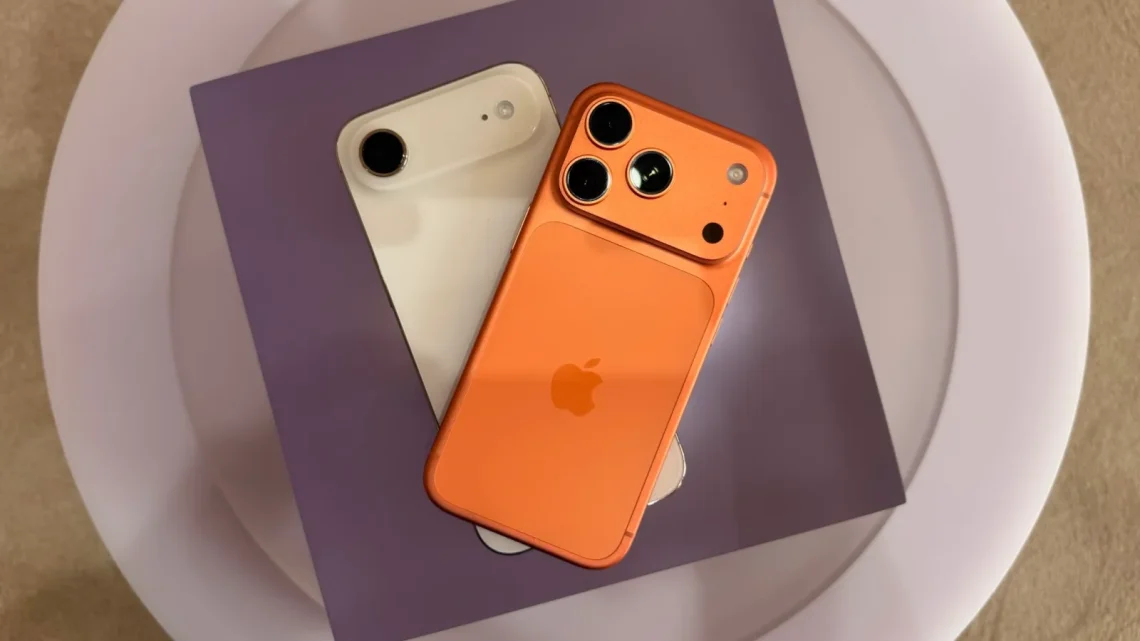
A new report from renowned Apple analyst Ming-Chi Kuo indicates that Apple will significantly expand its push toward eSIM technology with the iPhone 17 series, set to launch in the fall of 2024. According to the analysis, all four models in the lineup—the standard iPhone 17, the larger iPhone 17 Plus, the high-end iPhone 17 Pro, and the top-tier iPhone 17 Pro Max—will be equipped solely with eSIM support in certain countries, completely removing the physical nano-SIM tray.
This move would mark a major acceleration of a trend Apple started with the iPhone 14 series in 2022, when it first released eSIM-only models in the U.S.
What is eSIM?
An eSIM (embedded SIM) is a digital SIM that allows you to activate a cellular plan from your carrier without needing a physical plastic chip. Switching plans or carriers can often be done through software on the phone itself, making it more convenient for travel and managing multiple lines.
Which Countries Are Expected to Be Affected?
Based on Apple’s current strategy and infrastructure readiness, the countries that are most likely to receive the eSIM-only iPhone 17 models are:
-
United States
-
Canada
-
France
-
Germany
-
United Kingdom
-
Japan
-
Australia
-
Other major European nations and developed markets with robust eSIM support from major carriers.
This list represents countries where carrier support for eSIM is already widespread and well-established. The iPhone 17 models in other regions, particularly where eSIM infrastructure is still developing or where dual-SIM functionality (one physical, one eSIM) is critically important to users, are expected to retain the physical SIM tray for the foreseeable future.
The Rationale Behind the Move
Apple’s push for eSIM-only iPhones is driven by several factors:
-
Freeing Up Internal Space: Removing the physical SIM tray and its slot allows engineers to use that valuable internal space for other components, such as a larger battery, improved cooling systems, or additional sensors for enhanced features.
-
Improved Durability: Without a SIM tray slot, the phone’s frame is more seamless, potentially improving water and dust resistance.
-
Security: eSIMs are harder to remove and steal, and they can be remotely managed and secured.
-
Ecosystem Lock-in: It encourages users to stay within the Apple ecosystem for easier carrier switching and plan management directly from their device.
What About the Rumored “iPhone Air”?
The report also mentions a potential new addition to the lineup, tentatively called the “iPhone Air.” This model, speculated to be an even more lightweight and potentially lower-cost version, would also follow the same eSIM-only strategy in the listed countries if it comes to fruition.
What Users Should Know
For consumers in the affected countries, this shift means:
-
Easier Carrier Switching: Changing plans can be done digitally without waiting for a new SIM card.
-
Convenience for Travelers: eSIMs make it easy to add a local data plan when traveling abroad without removing your primary SIM.
-
Dependence on Carriers: Users will need to ensure their carrier fully supports eSIM activation and transfers. The process of setting up a new phone may rely more heavily on a stable internet connection for activation.
Conclusion:
Apple’s planned expansion of eSIM-only iPhones with the iPhone 17 series signals a firm commitment to a wireless future. While this transition may cause some initial adjustment for users in the targeted markets, it is a clear indicator of the direction the mobile industry is heading, prioritizing digital convenience over physical hardware.